Helpful Resources

"Knowledge is power. Information is liberating"

-Kofi Annan

Separating from your Spiritual Community:

The Contemplation & Complexity of Leaving

If you’ve ever questioned leaving OI, the scope of resulting consequences (spiritually, mentally, physically, emotionally) may feel wholly overwhelming, complex or paralyzing. 

The resources & links below are intended to shed light on your exploratory journey, whether you have left the OI community or find yourself wondering about doing so. 

The Cost

A common experience among individuals who have left OI is that of being misunderstood. People who remain in OI don’t understand the motives of those who leave. And those who leave are also misunderstood by people they meet “on the outside.”

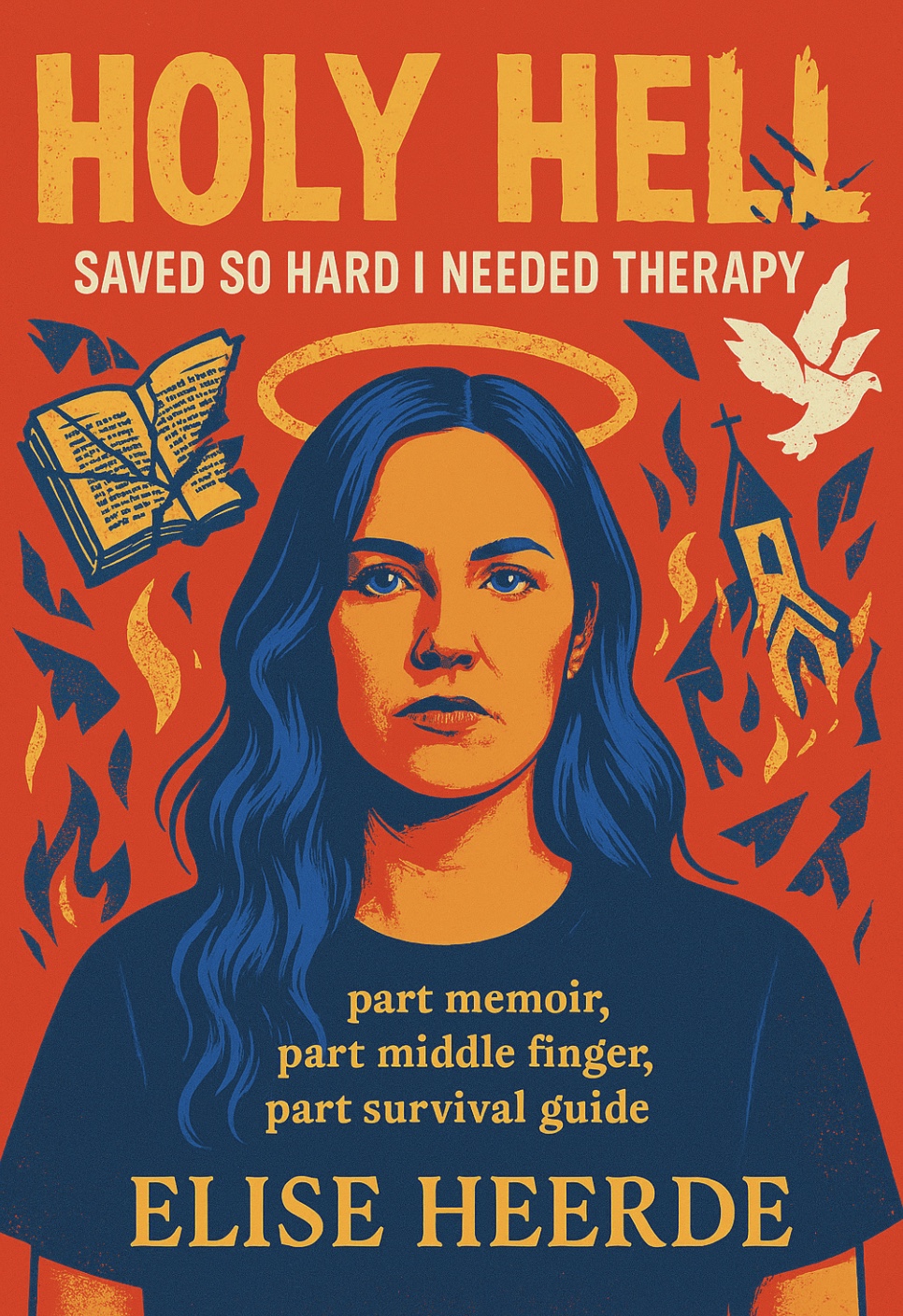
As Elise Heerde explains, this is the double trauma:
1. The loss and betrayal inside the system
2. The misunderstanding and rejection outside of it

Why Outsiders Misunderstand

Many people recoil not out of cruelty but out of ignorance. To them:

-“Cult” means fringe, fanatical, unrelatable
-They assume involvement was voluntary, a sign of being “gullible” or “brainwashed”

So instead of empathy, survivors get distance. Instead of friendship, they get suspicion.

And here is the cruel twist: this confirms the message you were told for years:
“No one outside will ever understand you. We’re the only ones who really love you.” 

Breaking the Silence

This is why telling your story matters, even when people don’t get it. It dismantles the shame that thrives in silence.

If Elise’s sentiments resonate with you, consider reading her article, “The Double Trauma for Cult Survivors.” In it, she paints a familiar and relatable picture for people who leave high-control faith communities as they begin building new routines and relationships.

The Religious Trauma Collective

Founded by three women who have personally experienced religious trauma, The Religious Trauma Collective seeks to connect others with helpful resources as well as practitioners who understand religious trauma. Their site is helpful for all, but geared for individuals living in Australia & New Zealand.

As the Founders state:

Like so many important words, “cult” gets thrown around casually these days. But what do we mean when we say cult or high-control groups? What matters most isn’t whether it technically qualifies as a cult. What matters is how it shaped you and how hard it was to leave.

Was questioning discouraged? Did you feel fear or guilt for stepping out of line? Were love and belonging conditional on obedience? Did it shrink your sense of self? Did it make you doubt your own thoughts, feelings, or autonomy? Did it isolate you from other perspectives, or from your own intuition?

If these questions resonate with you, you may wish to explore Elise Heerde’s Substack, here. 


"This Could Have Been Written by Someone in OI..."

Multiple OI survivors have said that about one particular article, found here. 

Other articles that deeply resonate with former members:

“Fake it for the Fellowship”
“I Thought We Were Friends”
“The Cult Next Door“
“Cult Whistleblowers“
“The Leader Isn’t Special“
“The Inherited Shame of Being Born ‘Bad‘”

Elise is a co-founder of The Religious Trauma Collective. She provides professional support for individuals unlearning fear, shame and control. Her site can be found here.

How would I know if my spiritual community is unhealthy?

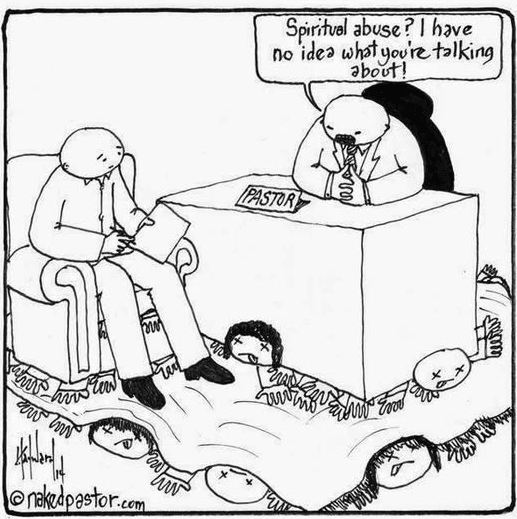
To know & follow God is not a one-size-fits-all endeavor when it comes to a faith community and its services, rhythms and culture. The manner in which a leader handles a member’s insecurity, uneasiness or subcutaneous concerns/questions–whether about God or the spiritual community itself–is indicative of the community’s health. Unhealthy leaders are often insensitive or dismissive, downplaying the significance and validity of others’ perspectives or feelings. Moreover, they promote conformity while often being critical of their critics.


The illustration above was created by David Hayward (used with permission). The original image and corresponding article: “What is Spiritual Abuse? And How to Recognize When it is Happening to You,” can be found here.

Avoiding Spiritual Abuse

A fantastic article that can help protect you from spiritual abuse is: The Ten Commandments of Preventing Religious Abuse, by Jim Palmer (shared here, with permission).

1. Thou shall not put any spiritual teacher or personality on a pedestal.

2. Thou shall not defer to the teachings of any spiritual figure without the use of your direct experience, critical thinking, and inner intuition.

3. Thou shall not use number of followers and public acclaim as a determinant of another person’s spiritual enlightenment.

4. Thou shall not oppress your individuality, deny your humanity, collapse your boundaries, or oblige conformity in the service of any spiritual vision.

5. Thou shall not ever ignore that voice inside that says, “This doesn’t feel right.”

6. Thou shall not remain in a religious community where fear, control, shame, and manipulation is used.

7. Thou shall not allow any religious leader or community to compromise your integrity or pressure you into behaviors or choices you are not comfortable with, or that keeps you on the hamster wheel of earning worth through devotion and performance.

8. Thou shall not stay quiet and look away if any corruption, lack of integrity, sexually inappropriate behavior or any form of abuse is experienced, observed or known.

9. Thou shall not accept any religious teaching that insults your soul, violates your own inner truth, defies critical thinking, promotes prejudice or hate, or compromises your mental health.

10. Thou shall not let any religious group stop you from being a person of love, goodwill, compassion, wisdom, peace and liberation in the world.
Would I Know If I Were in a Cult?

That’s a powerful question.  Many people in cult-like groups don’t realize it until they’ve left. If you wonder whether you may be in a cult, you can take an anonymous questionnaire (created by an expert) here.

Educational Links & Experts

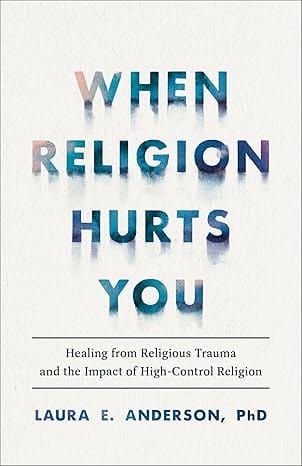
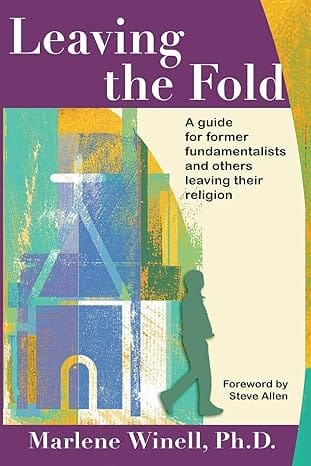
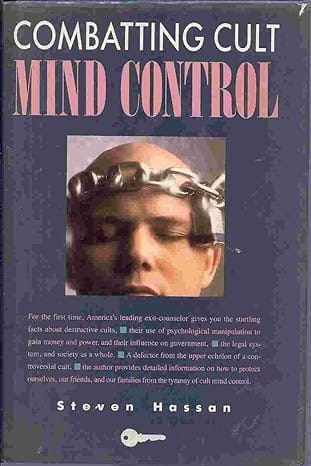
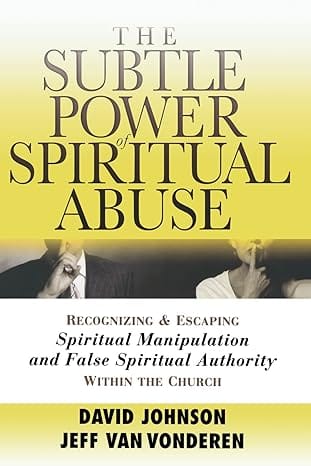
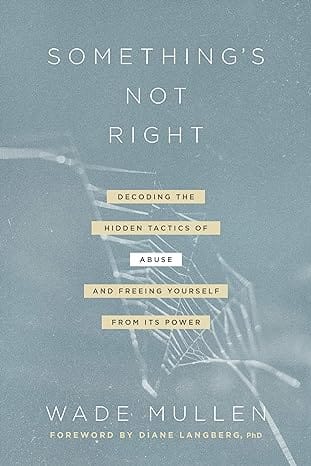
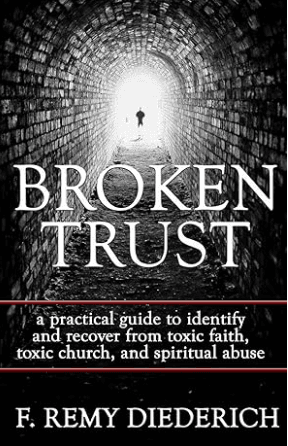
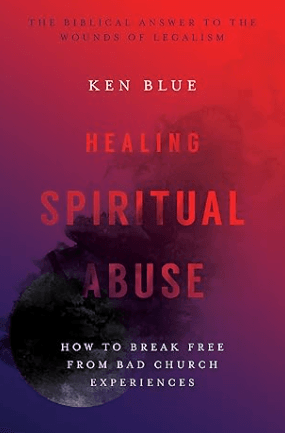
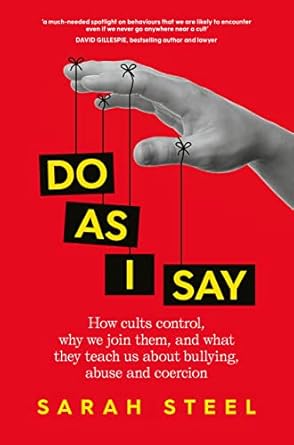
Below you will find links to resources and professionals that may be insightful, informative and empowering for you. Several of the books have been suggested by former OI members.

Books

Podcasts / Videos

Dr. Wade Mullen

How to Spot Spiritual Abuse

A Video

Decoding the Tactics of Abuse

A Podcast

The Power of Truth & Sincerity

A Video

Dr. Diane Langberg

Understanding Abuse of Power in the Church

A Podcast

Harm, Trauma & Church Abuse

A Video

When the Church Harms God's People

A Podcast

Dr. Steven Hassan

How to Tell if You're Brainwashed

A TEDTalk

Identifying & Healing Religious Trauma

A Podcast

Spotting a Cult

An Interview

Questioning or wondering

If you suspect the dynamics within your church community are unhealthy:

You may feel alone or isolated. In extreme situations, you may even feel trapped. Individuals you love and respect most may find little to no fault with your Christian community. Regardless, personal doubts or misgivings should never be disregarded or ignored.

Consult a professional therapist, particularly one trained in religious trauma. Conferring with someone who is knowledgeable and objective, who is not part of your particular Christian community, is key.

Taking your doubts or questions to someone within your spiritual community is not advised. Should your suspicions be correct and you are subject to unhealthy spiritual influence or abuse, your feelings and perspectives will not be handled appropriately, compassionately and thoroughly. 

Rather, your concerns or questions are likely to be dismissed and downplayed. You may also be portrayed as the problem (i.e. this is not a church issue but an issue with your perspective). Or, you may be met with persuasion, manipulation or gaslighting (i.e. you are subtly and gently influenced to believe that your perception or concerns “don’t hold water,” are wrong or not legitimate).